
The Top 5 Health Issues for Men Over 50 in Australia
When it comes to health issues for men over 50, most blokes would rather talk about footy than their blood pressure. But getting older brings plenty of positives too, including experience, confidence, and often a better sense of what matters most. Once men reach their 50s, it's also important to pay closer attention to what's going on beneath the surface.
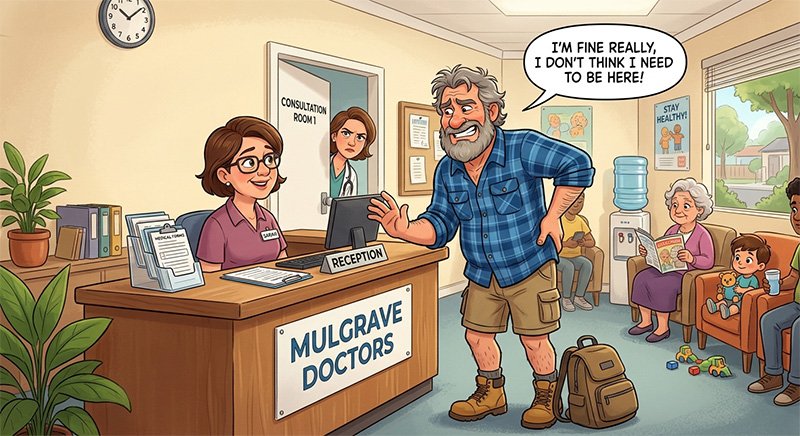
I’ve been thinking a lot about the men that train with me and all of them are over 50 now… so it was time I wrote something just for you lot! And if you’re one of my female clients reading this, if you have a significant other male or a close family member or friend – then maybe give them a nudge if there’s any of the areas below that you think they need to look at… Men are notoriously worse at looking after their health than women are! In fact, statistics back this up: statistics show women visit doctors, use preventive healthcare services, and track routine symptoms more often than men!
These are the most common health issues affecting Australian men over 50. The good news is that many of them can be prevented, managed, or treated successfully when caught early.
1. Heart Disease
Heart disease remains one of the leading health concerns for Australian men. Risk factors such as high blood pressure, high cholesterol, excess weight, smoking, and a lack of physical activity become more significant with age.
What you can do:
Have regular blood pressure and cholesterol checks.
Stay physically active.
Eat plenty of fruits, vegetables, and wholegrains.
Limit alcohol and avoid smoking.
Maintain a healthy weight.
A simple annual check-up can help identify risks before they become serious problems. I also recommend having a body scan – our next one at the studio is in November.
2. Prostate Problems
As men age, prostate issues become increasingly common. These can range from an enlarged prostate, which affects urination, to prostate cancer, one of the most commonly diagnosed cancers in Australian men.
Watch for:
Needing to urinate more often, especially at night.
Difficulty starting or stopping urination.
A weak urine flow.
Blood in the urine.
If you notice any changes, speak with your GP. Early detection is key.
3. Type 2 Diabetes
The risk of developing type 2 diabetes increases with age, particularly for men who are overweight or have a family history of the condition.
Common symptoms include:
Increased thirst.
Frequent urination.
Fatigue.
Blurred vision.
Healthy eating, regular exercise, and routine health checks can greatly reduce the risk and help manage the condition if diagnosed.
4. Mental Health Challenges
Mental health is just as important as physical health. Men over 50 may face stress related to work, retirement, finances, changing family roles, or health concerns. Unfortunately, many men still find it difficult to talk about how they're feeling. A lot of men experience depression and are usually unwilling to talk about it or seek treatment. I have personal experience with this (a male family member) and it’s challenging to say the least.
Signs to look out for:
Ongoing sadness or irritability.
Loss of interest in hobbies.
Sleep problems.
Social withdrawal.
Talking with a trusted friend, family member, GP, or mental health professional can make a significant difference.
5. Osteoporosis and Joint Problems
Many people think osteoporosis is only a women's issue, but men can also experience bone loss as they age. Arthritis and other joint problems are also common and can affect mobility and quality of life.
Stay strong by:
Doing regular weight-bearing exercise.
Getting enough calcium and vitamin D.
Maintaining muscle strength.
Seeking medical advice for ongoing joint pain.
Looking after your bones and joints can help keep you active and independent for years to come. Ladies, if you have a male significant other, start talking to them about strength training – join us at the studio or even start assisting your loved one by doing some stuff at home: push ups and deep squats can help!
Final Thoughts
Many men enjoy some of their healthiest and most rewarding years after 50. The key is to stay proactive. Regular check-ups, healthy lifestyle choices, and paying attention to changes in your body can go a long way toward preventing serious health problems and maintaining a good quality of life.
After all, looking after your health today is one of the best investments you can make for the future.